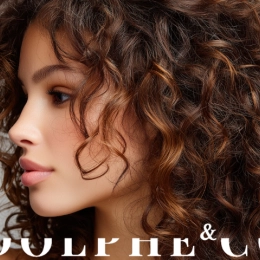

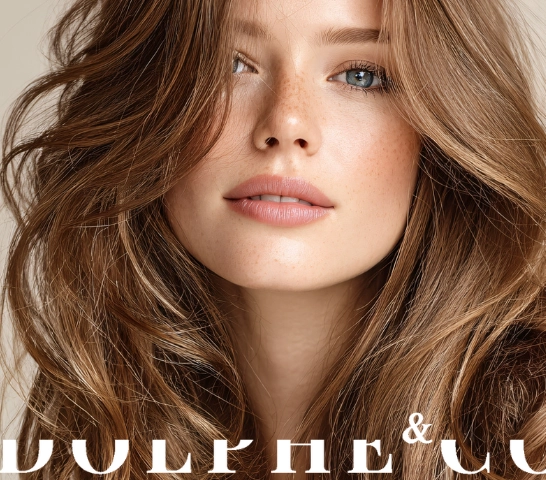
Plant-based hair colour is now recognised as a credible alternative, supported by scientific research, to chemical hair colouring. Plant-based hair colours are a natural colouring process made from plants, respectful of both human health and the environment. Here are five major scientific arguments explaining why plant-based colouring is increasingly favoured by professionals and consumers.
The range of plant-based hair colours offers a wide variety of shades suited to every natural hair base, including blonde hair, allowing harmonious tones and optimal grey coverage. Knowing your natural base is essential to choosing the right shade. Plant-based hair colour is made exclusively from powdered plants and hot water, and the quality of the water used (hot or demineralised) is crucial to optimise pigment release.
Pigments extracted from dye plants play a key role in these formulations, providing natural colour that binds to the surface of the hair for a soft, natural result. Unlike chemical colouring, plant pigments do not alter the internal structure of the hair.
Plant-based hair colour is vegan, environmentally friendly, and some brands stand out for their ethical commitment and formula purity. It is suitable for everyone, including pregnant women, people undergoing chemotherapy, or those with allergies, as it contains no harsh chemical ingredients.
Plant-based hair colour provides 100% grey coverage with no transparency, delivering a natural and even result. It also acts as a hair treatment that enhances the hair over successive applications and fully satisfies clients.
In the rest of this article, you will find practical advice and application recommendations to help you achieve the best results from plant-based hair colour.
Principles of plant-based hair colouring
Plant-based colouring relies on a simple and respectful principle: using the power of natural pigments extracted from dye plants to enhance hair colour without aggressive chemicals. Unlike chemical dyes that modify the internal structure of the hair, plant-based pigments from henna, cassia auriculata or other plants bind to the hair surface, forming a protective sheath that reflects light and provides natural shine.
This surface-binding process preserves the hair’s integrity and respects its natural health. The plants are carefully selected for their active compounds and colouring performance, allowing a wide palette of shades, from luminous blonde to deep brown, with copper or golden undertones. Each formula can be adapted to hair type and desired colour for a bespoke, professional result.
One of the major strengths of plant-based colouring lies in the quality of its ingredients: dye plants are generally sourced from organic farming, without chemical substances or harmful additives. This ensures product purity, effectiveness and gentleness. Natural pigments also provide nourishing and protective benefits, strengthening the hair fibre and restoring vitality and shine.
Plant-based hair colour is suitable for all hair types, even the most sensitive or previously damaged. Thanks to plant diversity and controlled formulation, it provides excellent grey coverage, subtle highlights or intense shades while respecting the hair’s natural structure.
By choosing plant-based colouring, you opt for a healthy, effective and environmentally responsible alternative that combines the best of nature with professional-level results.
1. Preservation of hair structure
Chemical colouring works by oxidation: it opens the cuticle and destroys natural melanin so artificial pigments can penetrate. This weakens the hair fibre and reduces its mechanical strength. Plant-based colour, by contrast, does not alter the internal structure. Natural pigments (henna, indigo, cassia) bind around the fibre, forming a protective layer that strengthens hair and improves shine.
2. No oxidation and no keratin degradation
Chemical dyes repeatedly oxidise keratin and lipids, accelerating hair ageing (dryness, breakage, loss of elasticity). Plant-based colouring contains no peroxide or ammonia, preserving the hair’s biochemical integrity and slowing its natural ageing process.
3. Better scalp tolerance
Many dermatological studies identify chemical dye molecules (such as PPD or resorcinol) as causes of contact dermatitis and allergic reactions. Dye plants used in plant-based colouring, on the contrary, have soothing, anti-inflammatory and antifungal properties that promote a healthier scalp.
4. Treatment effect and improved hair quality
Plant-based colouring does more than colour. Tannins, flavonoids and polyphenols from plants provide a protective, strengthening effect. Studies show reduced hair porosity and improved perceived thickness after repeated applications.
It is important to avoid chemical hair products after plant-based colouring, as they may cause colour fading.
5. Reduced environmental impact
Chemical dyes generate persistent toxic residues, especially in wastewater. Plant-based colouring, made from biodegradable plant powders, releases no pollutants and respects ecosystems and global health.
The natural benefits of Rodolphe&Co plant-based hair colour
Rodolphe&Co plant-based colouring is based on biological mechanisms that respect hair, scalp and the environment. Supported by strong scientific data, it represents a true sustainable evolution in hair colouring.
Its formulas combine dye plants and Ayurvedic botanicals with colouring, strengthening and therapeutic properties. Some shades are produced from dried flowers ground into powder, creating natural, delicately scented colours.
Indigo: strengthens fibre, adds depth and shine.
Henna: coats, fortifies and purifies the scalp.
Amla: powerful antioxidant, boosts growth and shine.
Ziziphus: purifies, regulates sebum, softens hair.
Eucalyptus: purifies and stimulates microcirculation.
Aloe Vera: hydrates, soothes and repairs.
Turmeric: anti-inflammatory, protects and brightens colour.
Chamomile: soothes and enhances light tones.
Rodolphe&Co colour does more than dye: it treats, protects and enhances hair over time while helping manage regrowth and extend time between root touch-ups for a more natural, low-maintenance routine.
In the salon, professional expertise allows custom shade formulation based on your natural base for a perfectly harmonised result. Processing time varies according to the chosen shade and hair base, ensuring optimal intensity and quality.
Complementary treatments are available, including hair masks to nourish and hydrate, or flower-based treatments to strengthen and scent the hair. Before-and-after photos illustrate the effectiveness of plant-based colouring.