
Part
EN
FR
$ USD
€ EUR
15 June 2023
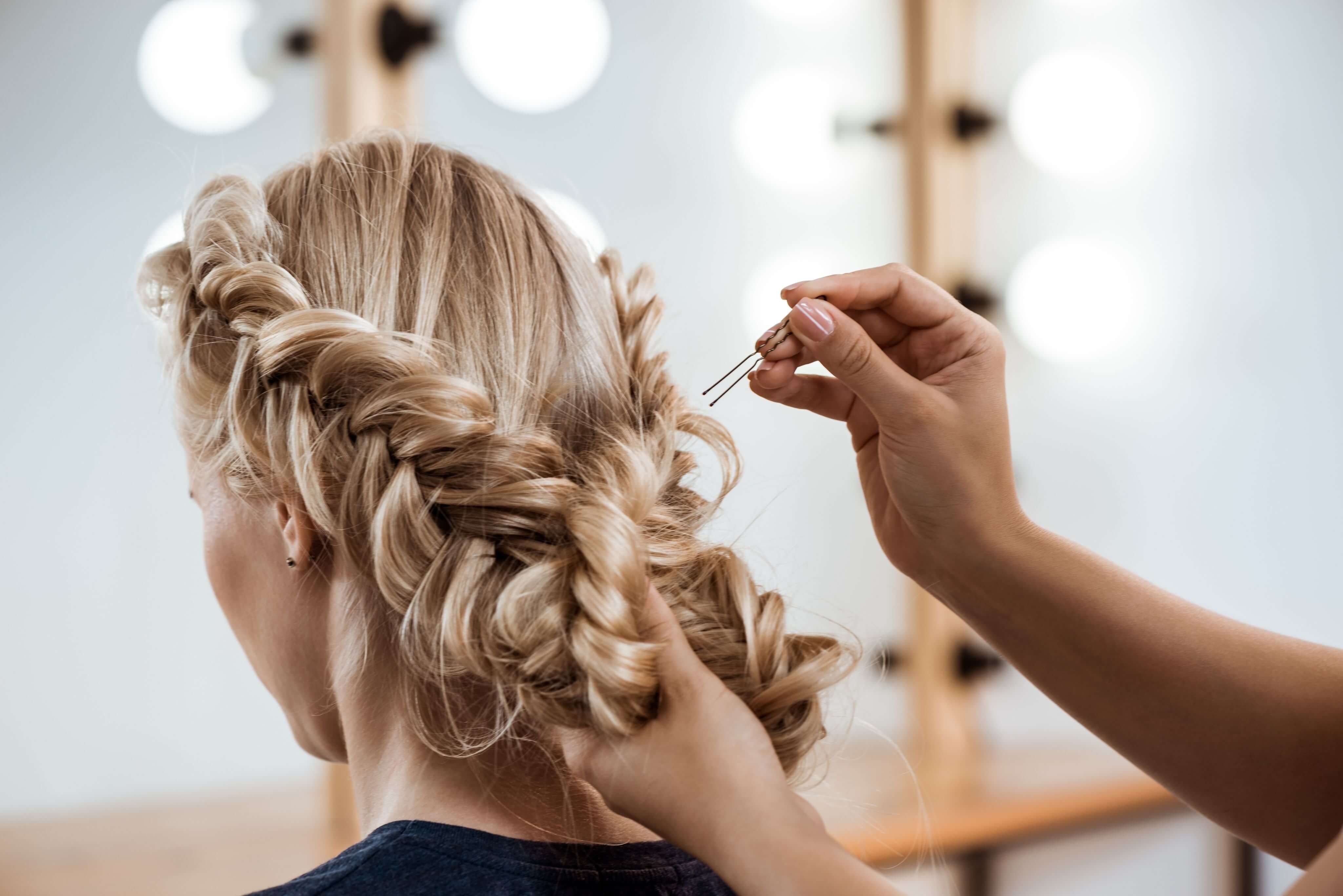
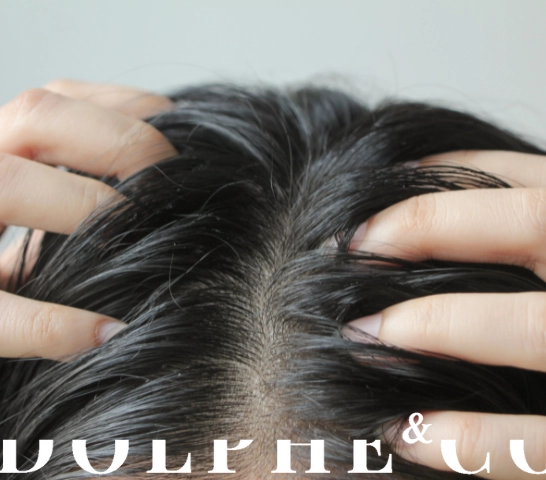
Oily hair routine: how to maintain them this summer to prevent them from greasing quickly ?
In summer, avoiding that our hair grease is a real challenge, high heat, too long exposure to UV rays of the sun or even moisture promotes the appearance of greasy hair.Having oily hair is a much more common problem than one might think, in France it is estimated that 40% of people have oily hair. Characterized by an overproduction of sebum from the sebaceous glands of the scalp, the causes of oily hair are multiple.But don’t worry! Greasy hair is not a fatality, let’s review the main causes and factors of this problem. You will find in this article, our tips and tricks to fight against oily hair and set up a hair routine to spend a summer without hair worries. What are the causes of oily hair? When it is hot and sunny, the hair tends to grease more often, before wanting to embark on a greasy hair routine, it is necessary to learn about the most common factors of overproduction and secretion of sebum. - Genetics: Not everyone has greasy hair. Some people have naturally more active sebaceous glands, resulting in excessive production of natural sebum. - Hormones: Mainly during adolescence, pregnancy or menopause, disruption and hormonal fluctuations tend to stimulate the production of sebum. - Food : Often forgotten, an unbalanced diet can play an important role, we advise you to reduce if possible the consumption of fatty foods and derived from refined sugar (very present in industrial prepared dishes). - Touching the hair : Even if this is not a factor contributing to the overproduction of sebum, passing your hands too often in your hair will contribute to the spread of sebum on your hair, making them look more oily.Use of inappropriate products: Shampoos or after shampoos too aggressive or rich in silicones will disturb the natural balance of the scalp and increase the production of sebum. - Stress: Being in a state of stress can trigger the production of cortisol that stimulates the overproduction of sebum when stress becomes chronic. Can greasy hair cause dandruff ? Having oily hair can be the cause of dandruff on your scalp, indeed an increased production of sebum will be beneficial to the proliferation of a small fungus called Malassezia. Present permanently on our hair, excessive growth of its yeast can lead to itching, irritation, or desquamations that result in the appearance of dandruff.To treat dandruff problems as well as oily hair, we advise you to use our oily hair routine coupled with the use of a gentle anti-dandruff shampoo as well as a anti-dandruff cure* using our serum. How and how often does she wash her hair? Washing daily or spaced ? When you have oily hair, it is generally recommended to wash your hair 2 to 3 times a week. The sebum appears at the roots of your hair and moves up to your tips, a daily washing of your hair will prevent the sebum from reaching your tips, the sebaceous glands will produce more sebum to try to fulfill their task.Our advice: Wash your hair with a recurrence of 2 to 3 days depending on your scalp. On days when you don’t wash them, you can use a dry shampoo to absorb excess oil and prevent your hair from greasing. What products should I use for my oily hair routine? To start, avoid aggressive and heavy styling products such as gels, waxes or oils. If you use styling products, opt for light formulas.It is best to avoid shampoos and conditioners containing chemicals such as sulphates as well as too moisturizing or rich products as they can weigh down the hair. Prioritize gentle shampoos, sebum regulating shampoos and conditioners or masks that do not make hair heavy. Regulating sebum by changing your lifestyle To preserve her hair and put all the chances on her side to curb the overproduction of sebum it is possible, in addition to a greasy hair routine, to make some changes in your lifestyle. A balanced diet and a reduction of stress will become your allies to fight against greasing hair. Eat healthy During the summer period, one is more inclined to let go (holidays, sun, evening with friends or family) even if some gaps have very little impact on your hair, a too high recurrence and a repeated food imbalance will lead to increased sebum production. Here are some tips to keep a balanced diet even in the summer.Avoid overconsumption of foods high in saturated fatty acids (bad fats), such as fried foods, sauces or prepared industrial dishes, and refined sugars.Preferred eating foods rich in omega 3 and high in protein such as fatty fish (salmon, sardine, tuna), lean meat (chicken, turkey), eggs and vegetables.As an alternative to meat and fish there are products such as soy, chickpeas, buckwheat, linseed and oil.Good hydration is just as important to maintain a healthy scalp. Make sure you hydrate enough (even more so during periods of high heat in the future).Combat stress Stress promotes the production of hormones and, when it becomes chronic, can disrupt our body. In order to combat stress and preserve your body and hair we will review some methods to best regulate it. Do sports Exercise regularly, whether it is gentle (walking, yoga, meditation) or intense, the sport helps to release endorphins, the “happiness hormones” that promote well-being and relaxation. Sessions ranging from 20 min to 1h00 3 to 5 times a week. Have a restful sleep Having a regular sleep rhythm, falling asleep and waking up at fixed times is necessary to allow the body to regenerate and regulate stress. Before you fall asleep, it is advisable to stop the screens and swap them for a good book or soft music. Love/Pamper Yourself Take time to relax and engage in activities that you like, reading, music, walking, take care of your skin and face with our beauty routine cosmetics.If you have persistent oily hair problems despite your efforts and your oily hair routine, it may be useful to consult a hair health professional (trichologist) or a dermatologist to determine the sub-causesunderlying excess sebum production.
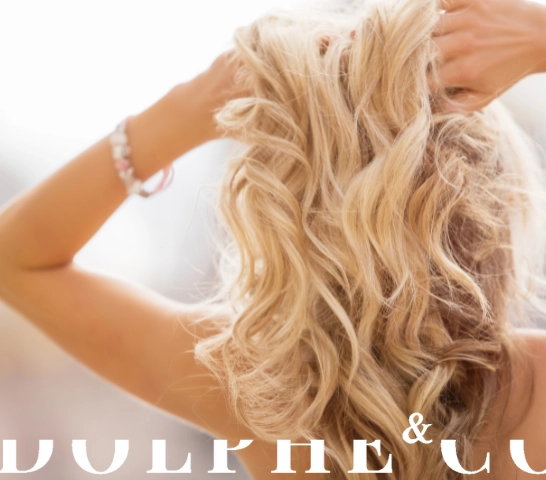
The sun’s rays can make your highlights fragile and dull, but don’t worry! In this article, we will give you all the keys and steps to adopt a natural blonde hair routine, in order to protect and nourish your hair naturally. How to protect your blond hair from the sun’s rays To preserve your hair naturally from the sun’s rays here are a few tips for this summer: Cover your hair : While it may seem obvious, wearing a scarf or broad-brimmed hat is one of the best ways to limit direct sun exposure and preserve your hair. Avoid the use of chemicals : some ingredients of hair chemicals, such as sulphates and strong alcohols, can make blond hair more sensitive to the sun. Choose natural and gentle products to keep your hair healthy every day. Moisturize your hair deeply : use moisturizing masks or hair care based on avocado, shea butter, honey to repair and sanitize the scalp.Apply natural oils : Argan or avocado oil can be applied to any type of hair to protect it from the sun. They nourish and moisturize the hair while providing protection against UV rays. Limit the use of heating tools : reduce the use of straighteners, curling irons and hair dryers, excessive heat combined with UV rays can damage blond hair and their natural coloring. What are the advantages of natural products compared to traditional products for blond hair? Hair tends to be more fragile and prone to breakage, requiring special attention. The use of natural and organic products for your blond hair has many benefits to preserve the natural coloring, flexibility and shine of your hair.Softer ingredients : natural products are composed of soft and non-aggressive ingredients for the scalp, not containing silicone, sulphate or paraben.Less chemical residues : traditional hair products usually contain chemical residues that accumulate on the hair, this can make the hair dull and lifeless. Natural products are formulated to minimize these residues and preserve as much as possible the natural coloring of your blond hair.Respect for the balance of the scalp : unlike traditional products, natural products such as oils nourish the hair and help regulate the production of sebum, thus avoiding dry or oily scalp problems that can affect the health of the hair.Hypoallergenic : Made from natural and organic ingredients, our products are less likely to cause allergic reactions or scalp irritation because they do not contain aggressive synthetic substances. What natural blond hair routine should you adopt to preserve your blond? In order to preserve the natural coloration of your blond hair and avoid dry or brittle hair, it is necessary to reduce the use of chemical hair products based on sulphates, parabens and silicones. To best preserve your blond hair or locks we recommend washing your hair twice a week using our range of blond shampoo as well as a special blond conditioner or a high hydration mask. What if my hair is dry or damaged? If your hair is forked dry or damaged try to feed it with our natural botanical oil. Based on 5 organic precious oils the oil will protect your hair from external aggressions while regenerating your hair, regain the flexibility, shine and natural coloring of your blond hair. How to apply Botanical Oil? It is possible to apply this oil in 3 different ways On dry hairApply a small amount of oil daily to your hands, then place the product on your lengths and tips (dry or wet). In an oil bathYou can apply an oil bath before your shampoo. Leave on for at least 20 minutes to bring nutrition to dry hair. The high hydration maskTo finish your natural blond hair routine, apply a high hydration mask to deeply nourish your hair. Is it possible to lighten blond hair without using aggressive chemical treatment? Mineral sweeping is a natural alternative to chemical brightening or fading treatments, without ammonia, silicone and sulphate. The mineral sweep respects your blond hair and their natural coloring and offers up to 6 tones of lightening of the natural hair base. We advise you to contact one of our partner fairs for further information.It is important to use natural products especially dedicated to blond hair for a tailored maintenance and to avoid your hair becoming dull, dry and forked. If you notice these symptoms, we advise you to use mild blond shampoos as well as moisturizing masks coupled with a special blond shampoo after. You can also get closer to a professional, in one of our partner salons, for a deep hair treatment. These products will revive your natural coloring. A natural routine for healthy hair Taking into account our advice, your hair will regain shine, strength and a deep blond.Your hair deserves to be treated with care. By moisturizing and nourishing them regularly, you can help maintain healthy hair. Visit one of our salons for more advice or on our online shop to find all the items that will complete your natural blond hair routine.
11 May 2023
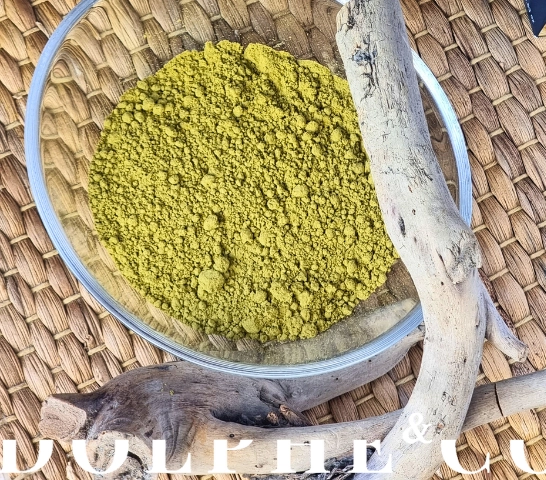
How long does a plant colour last?
Global warming? Pollution? Chemicals? What if we start changing our habits. Everyone wants to bring more naturalness to their daily lives, and nothing is more natural than vegetable coloring, a fine mixture of water and plants. You are wondering about this one. How long does a plant colour last? What are these advantages? How to take care of them? Here are some tips to help you maintain your plant colouring and prolong its hold and shine. Several things to know, we explain everything in this article! 1. Why does the radiance of vegetable colouring last longer than for chemical colouring? The chemical staining opens the hair scales so that the synthetic dyes penetrate inside the hair fiber. This method weakens the hair irreversibly. Although the color is brilliant in the first days, over time it becomes dull and the weakened hair fiber may break or fall.Unlike chemical colorations, vegetable coloration does not present this disadvantage and is much more respectful of the hair. Pigments from tinctorial plants (bitter, etc.) are fixed around the hair without penetrating inside it. Some plant active ingredients also have beneficial effects: moisturize the hair, stimulate growth, fortify and nourish the hair fiber, etc. 2. How long usually lasts a vegetable coloring on the hair? Vegetable coloring is a permanent coloring, which means that the coloring as such holds all the time. A regular touch-up every 4 to 6 weeks helps maintain the roots. We also recommend that you lengthen the color on the lengths once out of 2, to revive the old applications of vegetable coloring and keep the shine of the first day. This process is called emulsion. Plant colouring can become dimmer depending on the environment in which it is exposed. Pollution, UV rays, chlorine, sea salt, etc. are all elements that disturb the good holding of your 100% natural dye. Do not hesitate to ask for advice from a partner trade fair Rodolphe & Co and to contact a colorist expert vegetable. 3. Do the vegetable colorations effectively cover white or grey hair? Thanks to vegetable pigments, it is possible to obtain a beautiful color palette that follows the trend. They may not have the same covering power as chemical stains, but they are sufficient to completely cover white or grey hair to get a colorful sheath giving a natural effect. Rodolphe&Co and Greenleaf Vegetable Coloring Powders Color Up to 100% White or Grey Hair 90 minutes, against several hours in many brands of vegetable coloring. Rodolphe&Co technology combines the colouring action of 100% natural and BIO tinctorial plants with a HydroGel allowing a better grip on the hair. Our coloring therefore has a strong colouring power compared to many brands of vegetable dye on the market.4. How to maintain a vegetable colouring to prolong its hold and preserve the brightness of the color? To best preserve the shine of your color, we advise you to wash your hair twice a week using our line of gentle shampoo, without sulfated active tensio as well as a high hydration mask. We also recommend avoiding ingredients such as silicones that tend to weigh down the hair and weaken the coloring over the long term. Choosing to use natural products, without controversial chemistry is a good action for your hair and for the planet. 5. Is it possible to go from a chemical coloring to a vegetable coloring without damaging the hair? Do you think the presence of chemicals related to synthetic stains can alter the result of your future natural staining? You are right! In order not to be disappointed, you will need to follow several indications to enjoy the benefits of vegetable dye.It is advisable to wait several weeks after a conventional coloring to perform a new color, indeed, the hair and scalp being very aggressive after a chemical coloring, it is necessary to give them a recovery time.During this time, it is important to adapt your beauty routine at home to detoxify the skin of your scalp and hair by using scrubs and moisturizing the hair with natural and organic products.Some vegetable stains are not 100% natural, therefore it is necessary to look carefully at the composition to verify that there are no dyes from metal salts. These ingredients greatly interfere with the fixation of 100% vegetable coloring and vice versa if you want to achieve a synthetic coloring again.At Rodolphe&Co, we recommend using Dtox care to sanitize and detoxify the scalp and hair before any changes in color type. It is recommended to do about 3 weeks of care for hair that have undergone many applications of synthetic coloring.Change your head, opt for vegetable tinting!

19 April 2023
Coloring during pregnancy: 7 tips for your hair
You are pregnant and you continually wonder to know is good during your pregnancy, you are right! You’re used to taking care of your skin, body and hair, but don’t know which products to choose? Many substances can be harmful for your baby: alcohol, tobacco but also some cosmetic products, including colorations. Indeed, many of the ingredients used in the manufacture of hair dyes are classified as high-risk in the beauty product regulations. Rest assured, there is a possibility to continue its beauty and wellness routine: the vegetable coloring! We tell you everything you need to know about hair coloring during pregnancy while protecting your baby’s healthy development. 1. What are the risks of hair colouring during pregnancy?Chemical stains contain active ingredients that can be harmful to health. Some of them are potential endocrine disruptors, others are highly allergenic. Finally, some are also suspected of being carcinogenic. The danger is that these substances can pass through the scalp and wait for the blood vessels. In addition, when applying the colors, you breathe the fumes. The adult body can withstand exposure to certain concentrations of chemicals. However, during pregnancy, anything in the mother’s blood can potentially cross the placental barrier and be transmitted to the fetus, which is much more sensitive. Chemical stains can cause disorders in your baby, such as delayed growth in utero, malformations or hormonal or neurological problems. 2. How do I know if a hair color contains chemicals that are harmful to my baby? Paraphenylenediamine (or PPD) is the most allergenic chemical present in colorations today and is toxic by inhalation and skin contact. Although prohibited in cosmetics, the molecule remains authorized in France for hair dyes, since it allows the dye to penetrate the inside of the hair fiber and thus hold the coloring longer. The vast majority of manufacturers use this chemical. Other substances suspected to be endocrine disrupting potential include: formaldehyde; resorcine; ammonia; hydrogen peroxide; toluene 2.5 diamine sulfate, etc. Today, most chemical stains have one of these ingredients in their composition. In addition, bleaching products are usually the most harmful, so it is important to avoid any discoloration to protect your health and that of your baby. 3. Are there natural alternatives to hair colouring during pregnancy?Vegetable colouring is a safe alternative for pregnant women. Unlike chemical stains, plant active ingredients attach around the hair without penetrating the inside of it, they also do not pass into the bloodstream and therefore do not affect your baby. Thanks to the plant pigments from the plants, it is possible to obtain a beautiful color palette that follows the trend. They may not have the same covering power as chemical stains, but they allow a transparency effect by forming a colored sheath giving a natural effect.. However, we must be careful not to use any vegetable coloring! It is important to check that the composition is from organic farming and is 100% natural to avoid contact with pesticides or other harmful substances. In addition, some vegetable colors enriched with essential oils are to be avoided, the latter may represent a danger for your baby. The Rodolphe&Co and Greenleaf Botanique colours meet all these criteria. Their composition is 100% natural, from organic farming and without any other additives such as PPD, PTD or resorcine. These plant colours are guaranteed without preservatives. The ECOCERT COSMOS ORGANIC and COSMEBIO certifications make it possible to claim the total absence of chemical substances or pesticides present in many crops and which could end up in the finished product. If you have any questions about our certifications, please visit our labels page. 4. What ingredients are used in Rodolphe&Co plant colours? Our plant colours consist of 100% organic and natural ingredients. , such as cassia, indigo, rubia, eucalyptus, aloe vera, chamomile, etc. After a harvest process respectful of cultures and men, the plants are crushed and micronized at 150µm to obtain a creamy cream easy to use and rinse. 5. How often is it possible to color your hair during pregnancy?If you are certain that the vegetable coloring you have bought or done at the hairdresser is 100% natural and certified BIO, you can without hesitation use the product as often as you want. In addition to the fact that the Rodolphe&Co and Greenleaf vegetable colorations color 100% white hair in maximum 90 minutes, they also heal and sheath your hair and scalp. We recommend to maintain your plant colouring by performing the root application every 4 to 6 weeks. As long as you use a vegetable and organic coloring, you can make coloring as often as you want. Although plant colouring does not produce a pronounced root effect, you can return on average every 5 to 6 weeks to keep a bright color. 6. How do I take care of my colored hair during pregnancy? Vegetable coloring cares for, protects and permanently colors your hair. To keep your color radiant, it is essential to adapt your beauty routine to the same specifications, natural and clean: - We recommend the use of a mild antioxidant shampoo without sulphated active tensio to respect your scalp and avoid premature delaying of your color: the Shampoo certified BIO and rich in antioxidant active as the blood of Dragon is recommended. - It is also recommended to use a mask or after shampoo to help with detangling and deep care of normal to dry hair. For this, avoid silicones and synthetic active ingredients. The Rodolphe&Co high hydration mask is recommended. - Depending on your hair, your hairdresser can also offer care without rinsing or comfort to help you style and care for your hair. Botanical Oil or Pearly Jelly perfect your hairstyle by styling and treating your damaged lengths and tips. If you want to test our products, do not hesitate to place an order on our website. If you want to achieve your plant colouring and benefit from the advice of our experts, you can visit one of our 1300 partner salons in France and abroad. To get to know the salon closest to you, see here! 7. What about after delivery? If you breastfeed after giving birth, the risk of transmitting harmful substances to your child remains. Vegetable colouring is therefore your health and well-being ally and that of your child, during your pregnancy but also after.According to Rodolphe Diotel, colorist and founder of the brand «Being pregnant is not only the joy of having a child but it is also a renewal allowing to redefine its beauty routine to bring more naturalness in its habits». If you would like to know more about our products and which coloring to adopt, do not hesitate to contact us.
08 March 2023
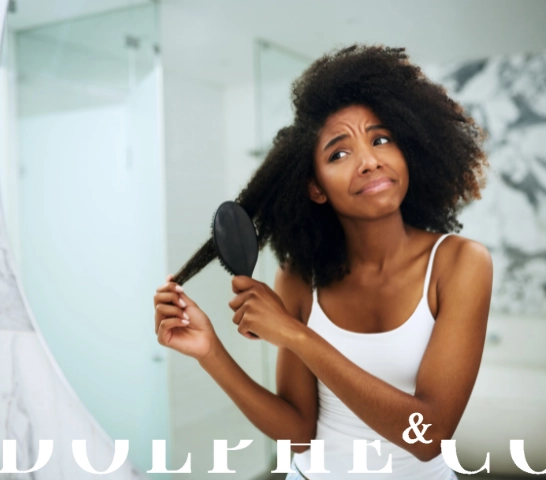
How to know if my hair needs hydration?
How to know if my hair needs hydration? Dehydrated, dull, foamy hair that lacks shine... Hair that needs hydration is hair that is weakened by its external environment, but which can be easily repaired. You just need to choose the right care products to ensure optimal hydration to the hair. Discover our tips in this article. How does our hair work? To know how to hydrate your hair properly, it can be useful to start by understanding how it works. Our hair is made up of 95% keratin, a protein found inside the hair but also on its outer layer, the cuticle. The role of the cuticle, composed of scales of keratins and lipids, has the role of protecting the hair against UV rays, sea water and external aggressions in general. It is these same scales that will retain the hydration of the hair and keep it healthy. When the cuticle is weakened, the scales rise and no longer fulfill their protective function, thus exposing the hair to external aggressions. The hair then becomes what is called porous hair: it easily absorbs water but loses it just as easily. The hair then becomes particularly sensitive to variations in humidity in the air, and tends to be foamy. The raised scales no longer form a regular surface on which light is reflected: dehydrated hair also tends to be dull and lack luminosity. Hydration or nutrition: what difference? To put it simply, hair that needs hydration needs water, while hair that needs nutrition needs fat. Dehydrated hair is hair that produces enough sebum (oil), but lacks water. This may be due to external aggressions that have contributed to the evaporation of water, such as exposure to the sun or excessive heat. It tends to look dull and fluffy, feel rough, lack luster, be prone to frizz and sensitive to humidity. To remedy this, it is necessary to restore hydration to the hair, in particular with water-based hair care and natural moisturizing active ingredients. This will help restore their natural elasticity and flexibility. A dry hair, on the other hand, is due to a lack of nutrition. It is a rather dry hair, brittle, split ends, and very often dehydrated at the same time. The cuticle lacks lipids, which cause the scales to open up and the water to evaporate. Knowing that water and oil do not mix, dry hair essentially needs oil to close the scales and seal the hydration in the hair. How to prevent the lack of hydration of the hair? By avoiding washing your hair every day! Indeed, tap water is not enough, it evaporates in contact with air and heat. Hair hydration must happen within the hair fiber for it to be effective. Washing your hair too regularly will even have the opposite effect: the scalp will generate an overproduction of sebum to compensate for the loss due to all these shampoos, and you will end up with an oily scalp and dry ends. By protecting from extreme temperatures: the dry cold of winter directly dehydrates our hair by drying out the water it contains, while the heat of summer damages the protective cuticle and accelerates the evaporation of hydration hair. Similarly, the use of heated appliances, such as hair dryers or straightening irons, contribute to the dehydration of the hair in the long term. By avoiding damage to the hair: salt water and chlorinated water, coloring and chemical treatments on the hair damage the cuticle and do not help maintain hair hydration. By drinking enough water every day. Indeed, the hydration of the hair also depends on the general hydration of the body. By selecting a chemical-free hair routine. Make sure the list of ingredients is as natural as possible. Finally, by adopting an appropriate hair routine that stimulates the natural hydration of the hair. Which natural hair routine for hydrating my hair? To stimulate hydration of the hair, it is necessary to adopt natural water-based hair products, most often composed of naturally hydrating active ingredients such as aloe vera, vegetable glycerin, hyaluronic acid, honey or even hydrolats. These active ingredients are mainly found in Rodolphe&Co hair products, so as to allow you natural beauty without neglecting the health and hydration of your hair. The shampooStart your hair routine with a shampoo suited to your hair. At Rodolphe&Co, we offer a selection of natural and certified organic shampoos, adapted to the needs of your hair, whether dehydrated, dry, blond, colored, fine... All our liquid shampoos are rich in aloe vera to allow hydration regular and optimal of your hair. The Hydrating Hair MaskAfter shampooing, apply the Hydrating Hair Mask, rich in aloe vera and honey, and leave it on for 10 to 15 minutes. Your hair will thus have the opportunity to absorb all the benefits of these hydrating active ingredients. You can also do a few sprays of the leave-in Hydrating Care, rich in vegetable glycerin and hyaluronic acid, which will help keep your hair hydrated throughout the day. The Botanic OilFinish your routine with the Botanic Oil, with 5 precious vegetable and organic oils. A few drops are enough to provide greasy substances and seal the hydration of the hair. Its non-greasy texture will not weigh your hair down. From time to time, you can also perform the Infinium Ritual, which is an ultra-hydrating and nutritious deep treatment, easy to reproduce at home. Your hair will regain all its health! Knowing if your hair needs hydration is important to avoid long-term hair damage and problems. Signs of dehydrated hair include frizziness, rough texture, dull color, dry hair and split ends. If you notice these symptoms, try increasing the hydration in your hair by using hydrating hair products, avoiding hot styling tools, and limiting washing. You can also consult a professional for a deep hydrating hair treatment. By taking care of your hair and hydrating it regularly, you can help maintain healthy, shiny and strong hair.

No more result
No more result





.png)




 (9).png)

Learn
together